


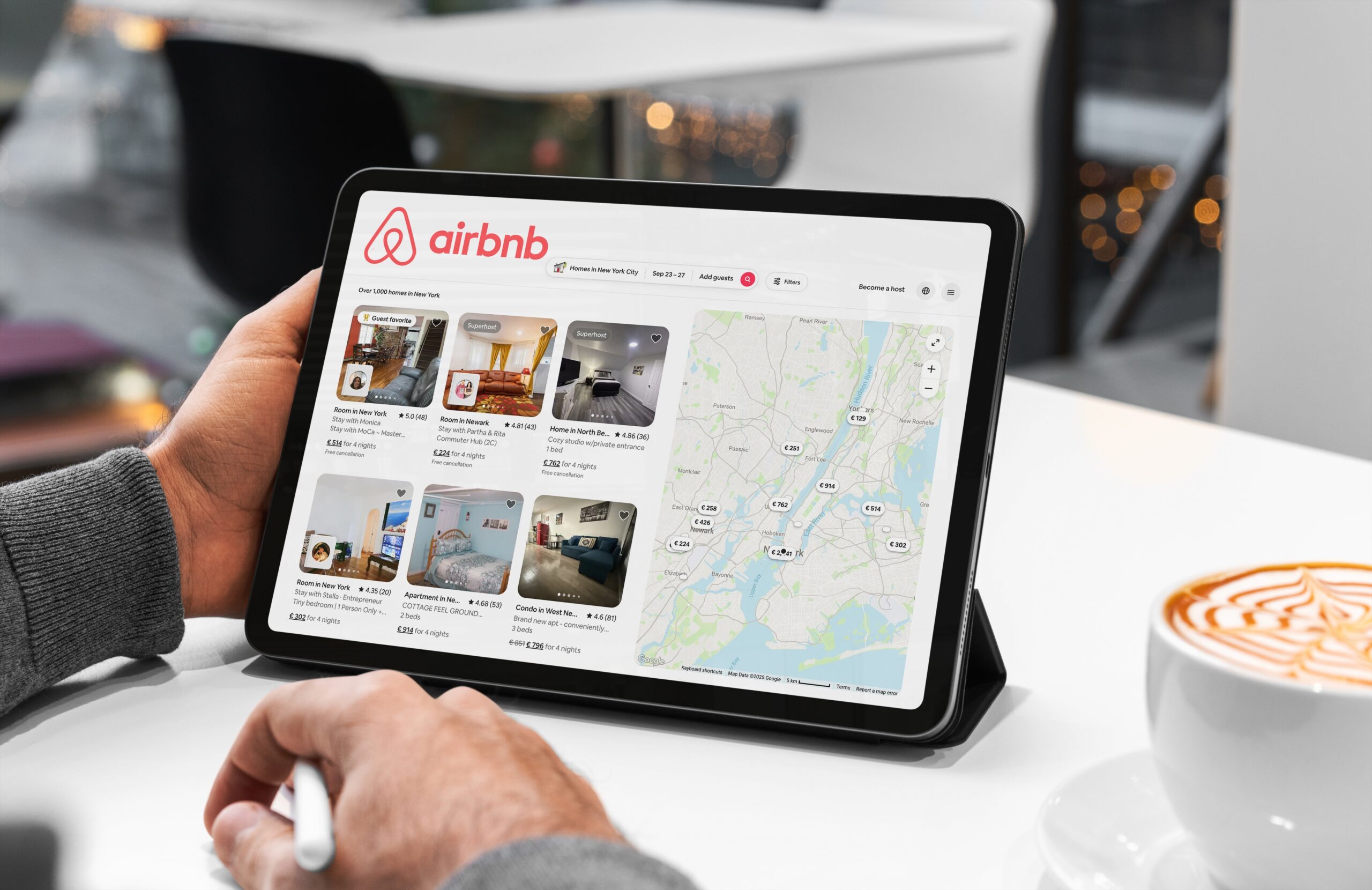
Income from Airbnb and rental platforms
All,
" alt="Income from Airbnb and rental platforms">
Regardless of:
All income generated from rental platforms must be declared in your annual income tax returns.
There is no minimum threshold for taxable rental income. Even renting property for a few nights every year must be declared.
In order to avoid nasty surprises, we created a list of the most frequently asked questions regarding income earned from short-term rental platforms.
Yes.
As far as the Canada Revenue Agency (CRA) is concerned, income is considered taxable even where there is no formal lease.
Therefore, a short-term rental is taxable even if:
The income category depends on the services offered rather than the platform used.
Rental income (the most common category)
Income from renting on Airbnb is generally considered rental income where you:
Business income (certain categories)
Your income may be considered business income if you offer hotel-style services such as
In this case, the activity is similar to an accommodation business. Therefore, income must be declared as business income (Form T2125), which can lead to additional obligations such as contributing to the Canada Pension Plan (CPP).
Declaring your income also allows you to deduct certain rental expenses such as
Where only a portion of the unit is rented or your rental is not year-round, expenses must be calculated on a prorata basis.
This depends on your situation.
In several provinces including Quebec, Airbnb collects and remits GST and QST and/or tax on lodging for hosts who have not registered. However, the fact that the platform collects taxes does not exempt you from declaring the income in your income tax returns.
Once you exceed the threshold or the activity is considered a business, your tax obligations will change.
In the short term, failing to declare your rental income can lead to:
Ever since rules governing digital platforms were introduced, Airbnb is required to transmit certain tax information to the CRA. As a result, the tax authorities may compare the amounts declared on the platform with those reported on your income tax returns.

Contact us at 1-844-200-TAXO (8296).
Our team is here to help you and make your tax season easier and stress-free.

HAVE QUESTIONS?